Poison Ivy Removal in Delaware County, PA
Poison ivy removal services focus on safely eliminating this common and potentially harmful plant from residential properties. These services typically cover yards, gardens, wooded areas, fences, and other outdoor spaces where poison ivy may grow. Property owners often request removal to prevent skin irritation, allergic reactions, or to improve the safety and appearance of their landscape. Understanding the extent of the growth, the location of the plants, and any nearby structures or plants that may be affected are important considerations before requesting removal services.
Homeowners should be aware that poison ivy can be difficult to identify, especially during certain seasons, and that proper removal often requires careful handling to avoid spreading the plant or causing skin contact. Clarifying whether the plants are in accessible or hard-to-reach areas, and discussing the preferred methods of removal, can help ensure the process is effective and safe. Property owners may also want to inquire about follow-up treatments or preventative measures to keep poison ivy from regrowing in the future.
Many property owners in Delaware County, PA look into Poison Ivy Removal for repairs, replacements, upgrades, and appearance-related improvements.
Understanding Poison Ivy
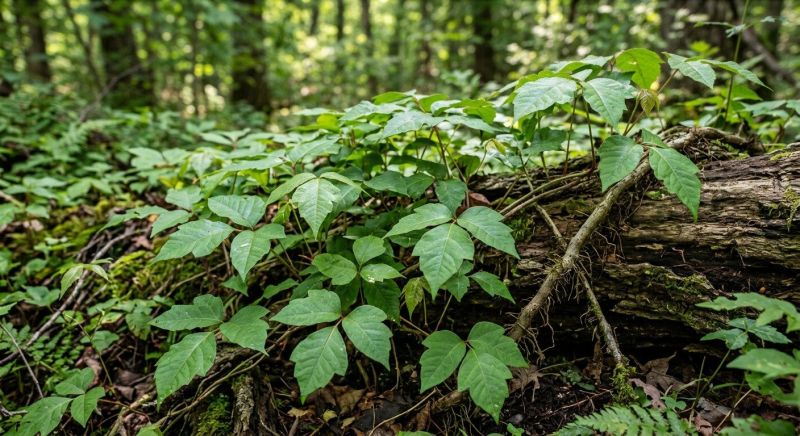
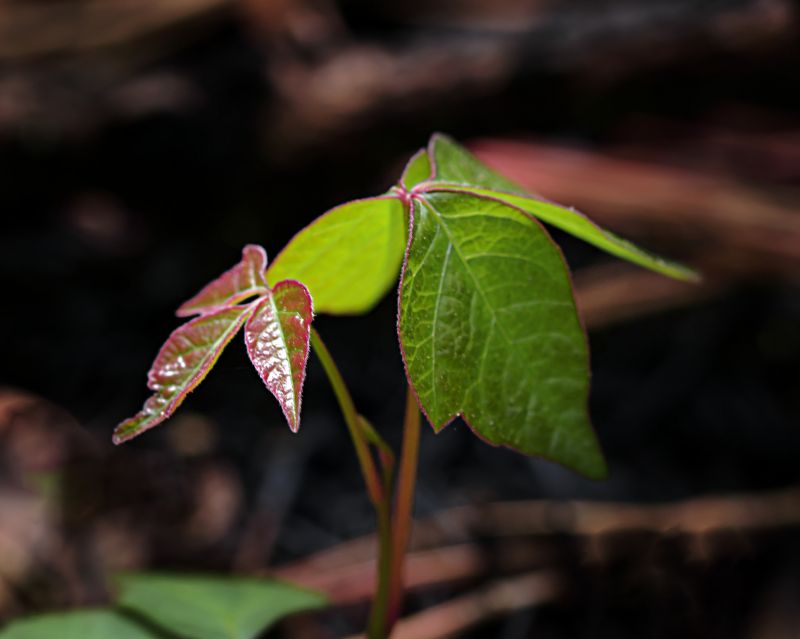
Poison ivy is a common plant in delaware county that can cause skin irritation and allergic reactions.
Signs Of Infestation
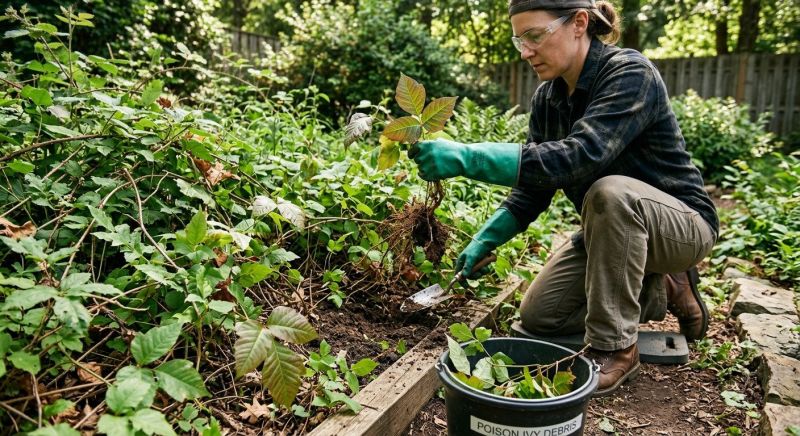
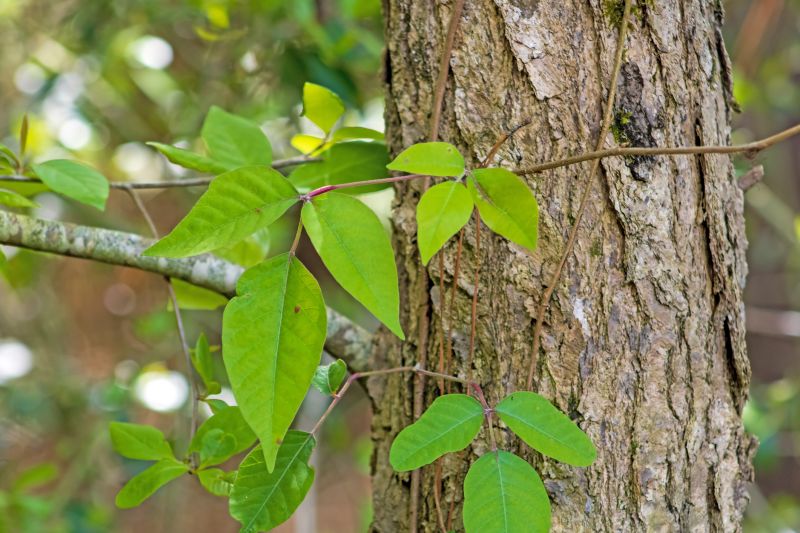
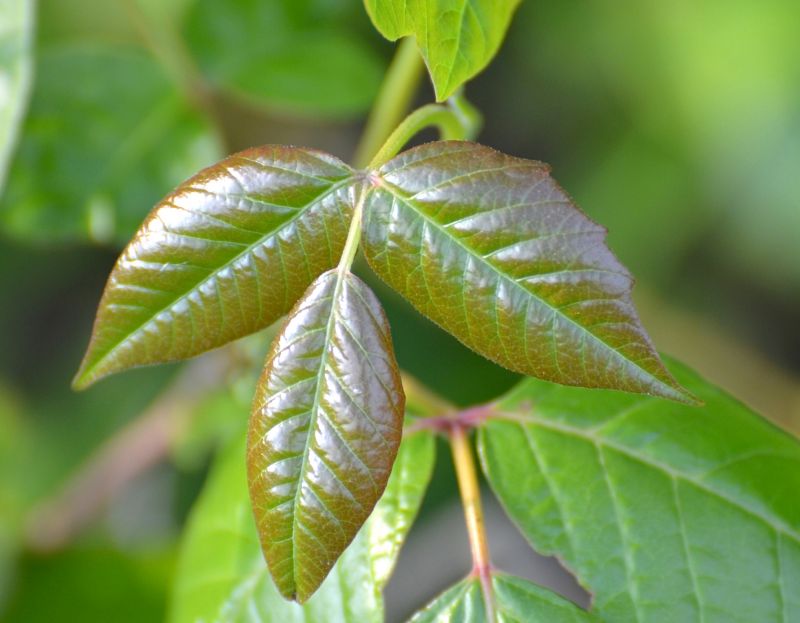
Identifying poison ivy growth on fences, trees, and ground covers helps prevent contact and skin issues.
Removal Solutions
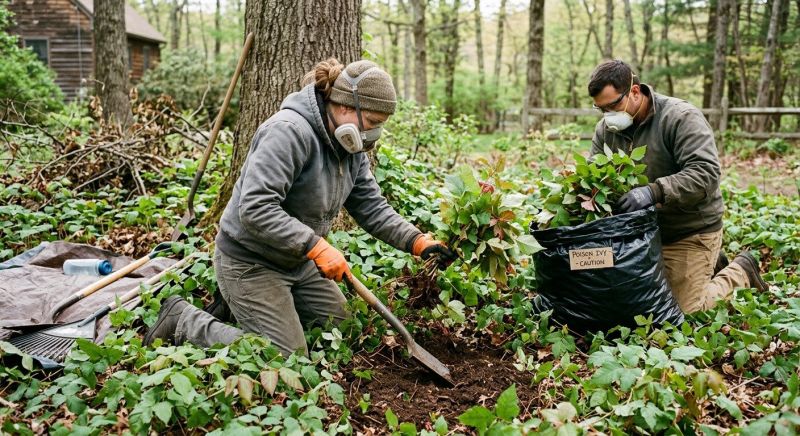
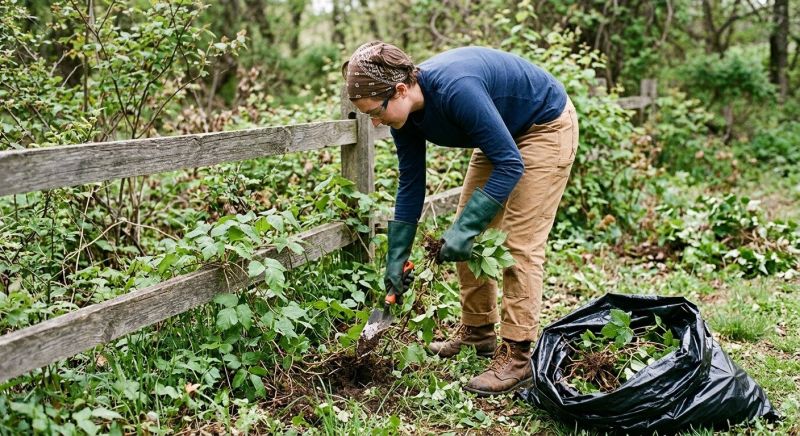
Professional poison ivy removal involves safe clearing to protect property and ensure safety for residents and visitors.
Poison Ivy Removal in Delaware County, PA
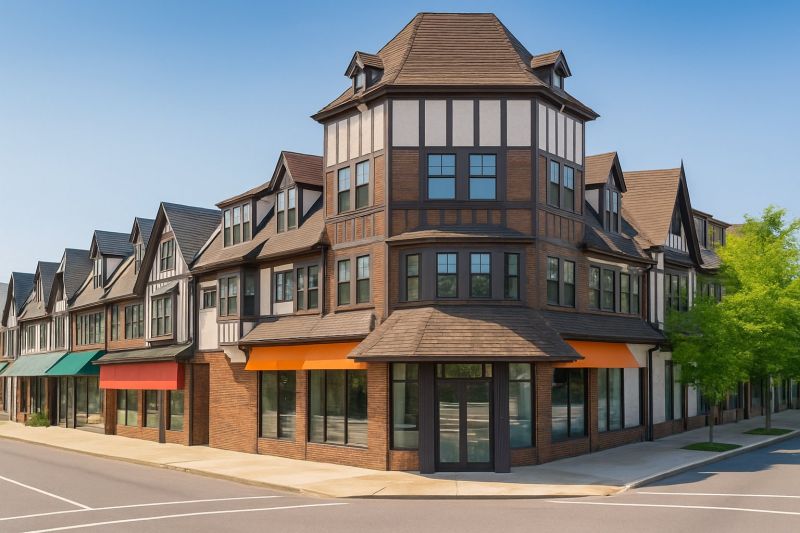
Poison ivy removal services focus on safely eliminating this common and potentially harmful plant from residential properties. These services typically cover yards, gardens, wooded areas, fences, and other outdoor spaces where poison ivy may grow. Property owners often request removal to prevent skin irritation, allergic reactions, or to improve the safety and appearance of their landscape. Understanding the extent of the growth, the location of the plants, and any nearby structures or plants that may be affected are important considerations before requesting removal services.
Homeowners should be aware that poison ivy can be difficult to identify, especially during certain seasons, and that proper removal often requires careful handling to avoid spreading the plant or causing skin contact. Clarifying whether the plants are in accessible or hard-to-reach areas, and discussing the preferred methods of removal, can help ensure the process is effective and safe. Property owners may also want to inquire about follow-up treatments or preventative measures to keep poison ivy from regrowing in the future.
Many property owners in Delaware County, PA look into Poison Ivy Removal for repairs, replacements, upgrades, and appearance-related improvements.
Common Poison Ivy Removal Jobs
Poison Ivy Removal - professional removal services help eliminate invasive plants safely from residential and commercial properties.
Yard Clearing - removal of poison ivy from lawns, gardens, and landscaped areas to prevent contact.
Property Maintenance - ongoing management to control poison ivy growth and prevent future spread.
Hazardous Plant Removal - safe extraction of poison ivy in areas with high foot traffic or near children’s play zones.
Landscape Cleanup - clearing of poison ivy from trees, fences, and other structures to protect property and safety.
Vegetation Management - targeted removal of poison ivy to preserve healthy native plants and landscape aesthetics.
Poison Ivy Removal Questions
What is poison ivy removal? Poison ivy removal involves safely eliminating the plant to prevent skin irritation and further growth on the property.
When should poison ivy be removed? Removal is recommended when the plant is actively growing or poses a risk to people, especially in high-traffic areas.
How is poison ivy removed safely? The process typically includes careful cutting, herbicide application, and disposal to prevent spreading and exposure.
Will removal prevent future poison ivy growth? Yes, proper removal techniques can help prevent regrowth and keep the area clear over time.
Request Poison Ivy Removal in Delaware County, PA
Use the quote form on this page to share the basics of your project and request more information for the type of work you need.